Strength gear guidesFor lifters at every level06 guides on the bar
Gear that
fits
your
training
Straps or grips, leather or nylon belt, dial or spin-lock dumbbells. How each design works, what it is rated for, and what it fits with in your kit.
- Comparison
- Explainer
- Buying guide
- How-to
- Number on a plate = minutes to read
Build
your kit
Accessories do narrow jobs. Say how you train and what gets in the way, and see which type addresses it, the mechanical reason, and the guide that explains it. You may find you need less than you thought.
On your bar
00 plates
Nothing picked, nothing needed
Tick what bothers you and the matching accessory slides onto the bar. If nothing does, you may not need any of it: most beginners do not need straps until grip clearly limits a pull, and many lifters in general gym training use neither wraps nor sleeves.
Rules of thumb for general strength at a gym, restated from our guides. They describe what each accessory does mechanically; they are not coaching or medical advice, and we have not tested products.
Six lanes
Every section lists what to compare for each product type, and the limit people tend to miss.
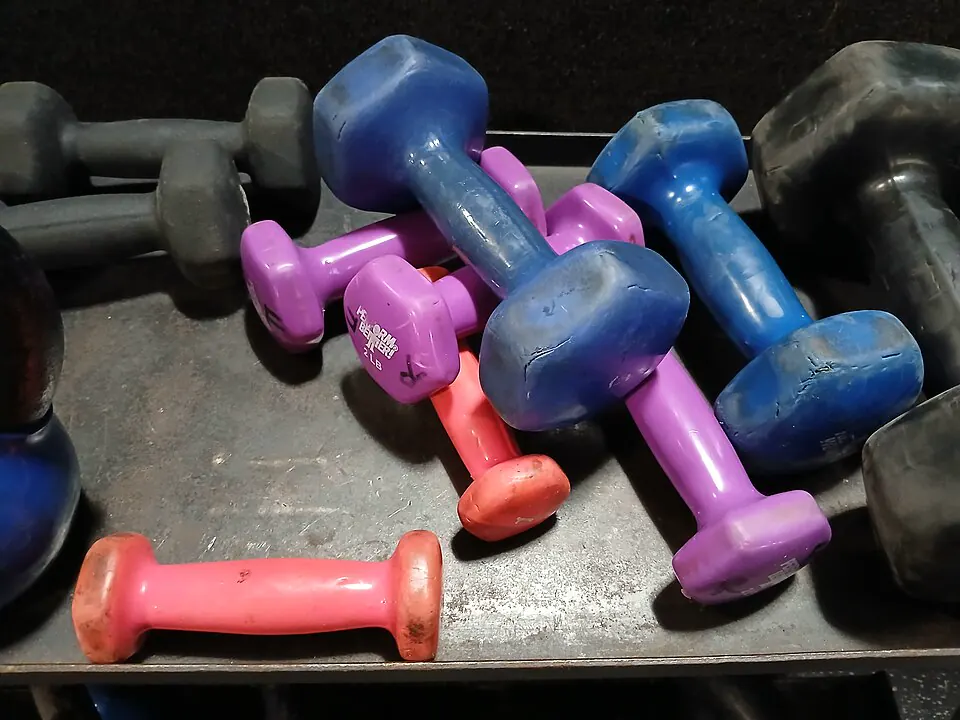
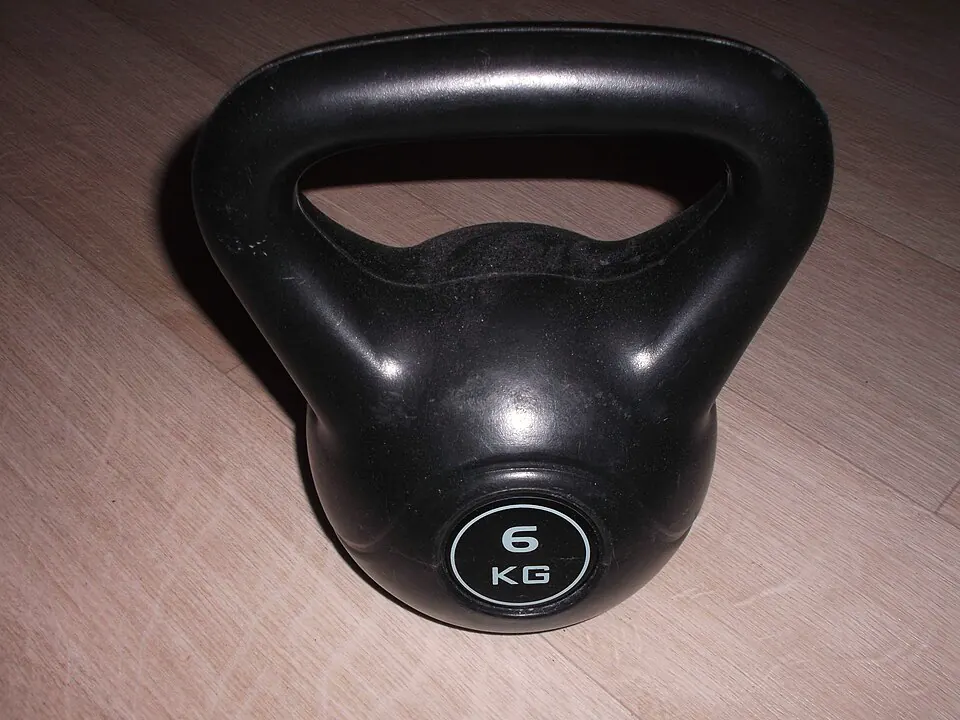
- Strength EquipmentDumbbells and kettlebells compared by construction, weight steps, handle size and how they adjust.
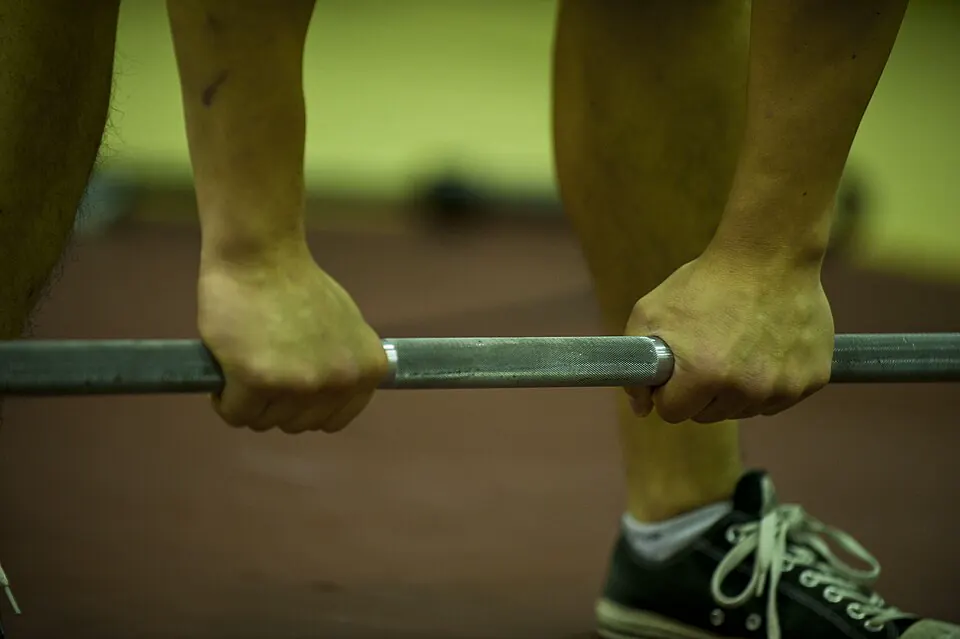
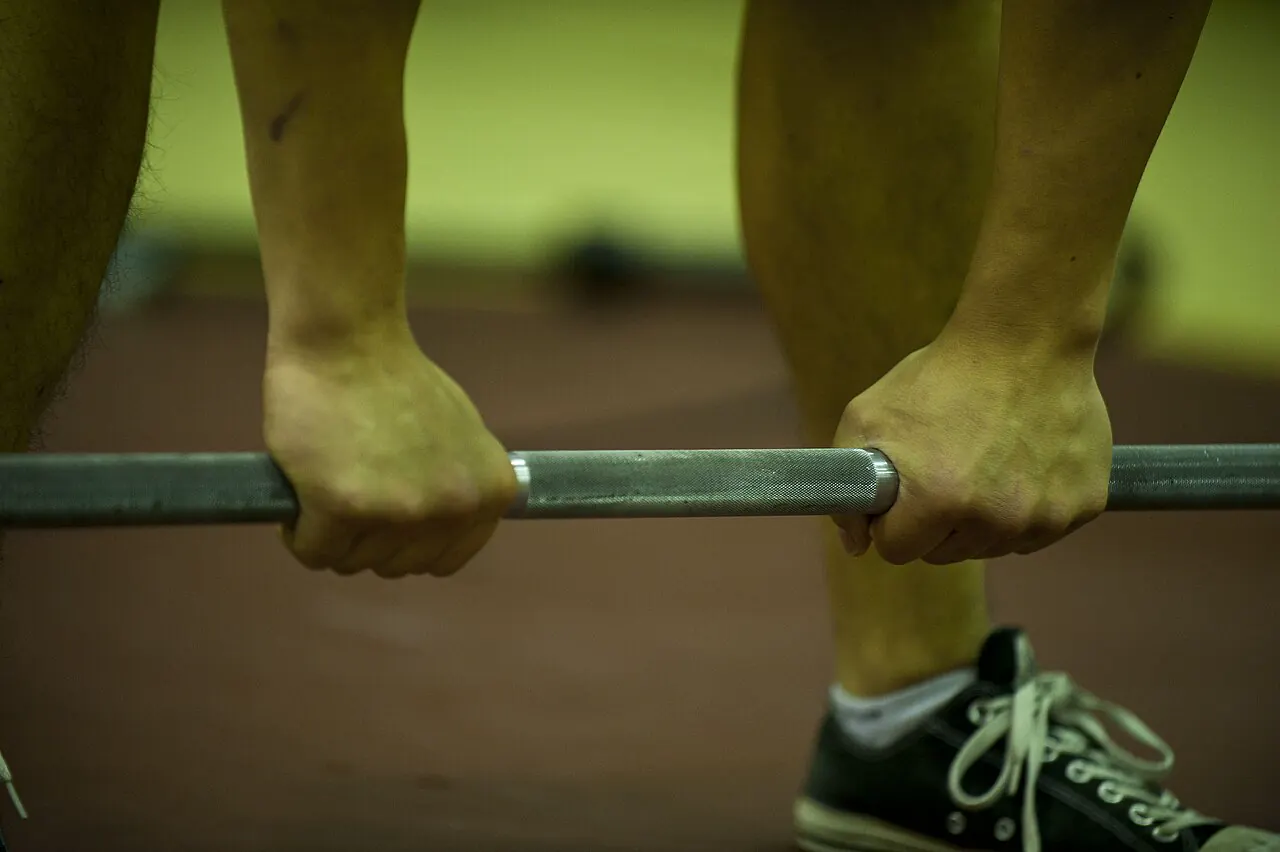
- Lifting AccessoriesBelts, straps, grips, wrist wraps and knee sleeves: what each one does mechanically and how to size it.
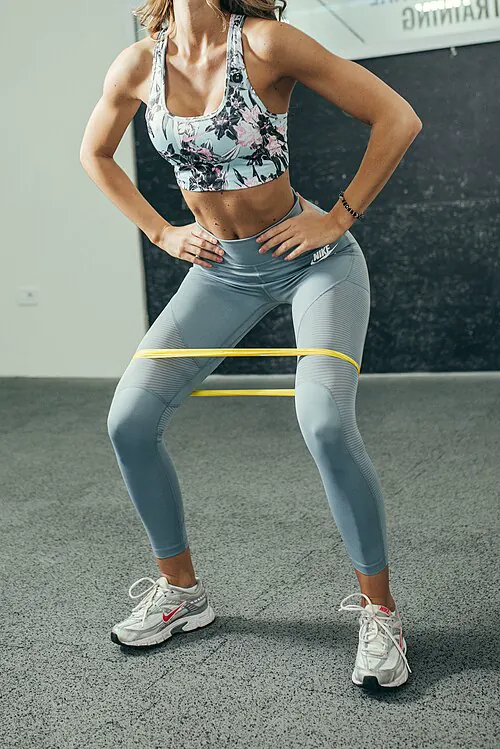
- Resistance BandsLoop bands, tube bands, mini bands and therapy bands compared by build, resistance and attachments.
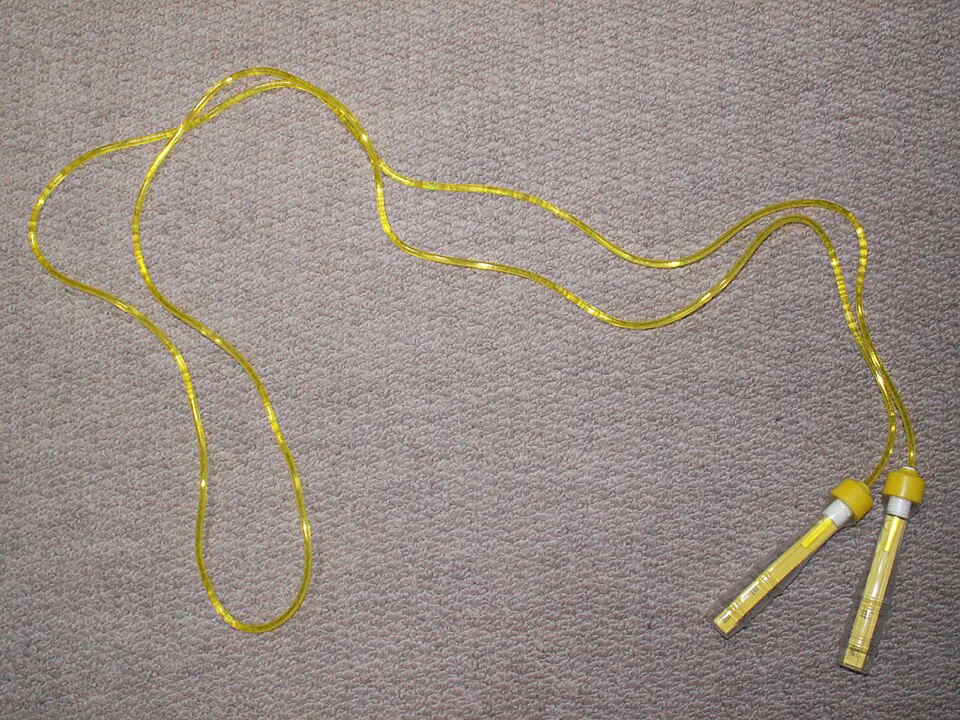
- Cardio GearJump ropes and small cardio tools compared by cable, handle, bearing and length.
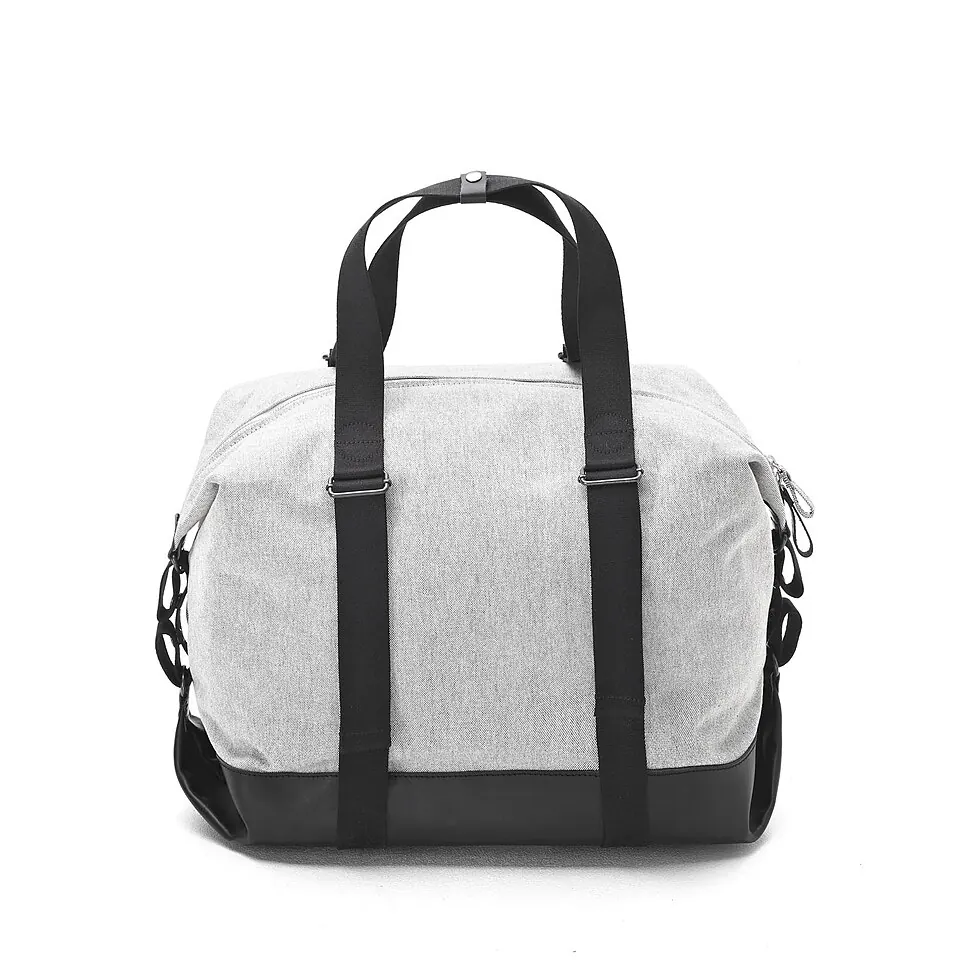
- Gym Bags & EssentialsDuffels, backpacks and the small kit inside them, compared by size, compartments and materials.
- Equipment CareHow to clean, dry, store and inspect belts, straps, bands, ropes and weights so they last.
Mechanics,
not hype
Mechanics, not hype
We explain what a design does to the lift: grip, bracing, load path. Nothing about miracle results.
Specs you can check
Materials, widths, attachment types and load ratings, read from the maker’s documentation.
Research, not test claims
We do not claim to have lifted with every product. Pain or injury is a question for a professional.