Resistance Bands
Resistance bands get harder to stretch the farther you pull them, which makes them feel different from a dumbbell of any weight. The type of band decides which exercises it suits and which attachments it accepts. These guides explain the differences in material, length, width and resistance labels.
- Lane
- 3 of 6
- Product types
- 4
- Guides
- 1
What to compare in resistance bands
The specs that decide whether a product fits, and the limit people tend to miss.
Large loop bands (power bands)
- Band width (wider bands resist more)
- Loop length, often around 41 in
- Layered latex vs. single-molded construction
- Resistance range printed by the maker, in pounds
Watch for: Resistance ratings and colors are not standardized between makers, so compare by width and the printed range, not by color.
Tube bands with handles
- Handle attachment: fixed, clip-on carabiner or swivel
- Door anchor and ankle strap included or sold separately
- Whether tubes can be stacked on one handle
- Inner cord or sleeve that limits overstretching
Watch for: Clips and door anchors are the weak points; check them for cracks and fraying before every session.
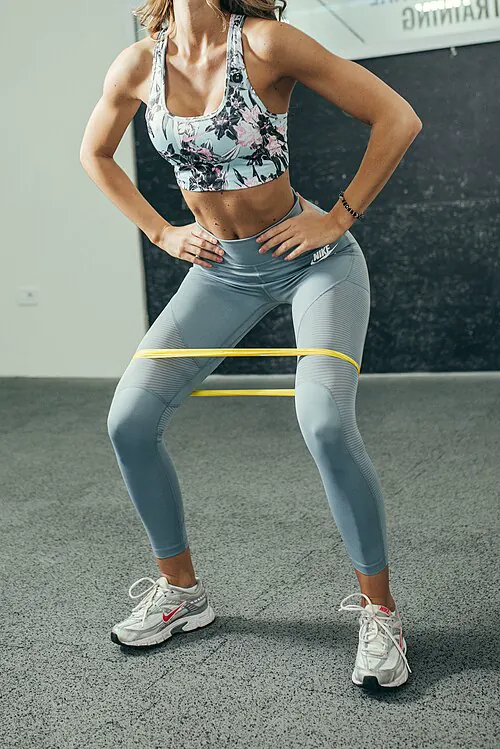
Mini bands
- Latex vs. fabric (fabric bands roll up less on the legs)
- Loop circumference and width
- Resistance steps within the set
Watch for: Latex mini bands tend to roll and pinch on bare skin; fabric versions stay flat but stretch less.
Flat therapy bands
- Sold in cut lengths or on a roll
- Latex or latex-free material
- Resistance levels shown by color within one brand
Watch for: Many are latex; anyone with a latex allergy should look for bands clearly labeled latex-free.