- GymKitMap
- Lifting Accessories
- Guide 05
Wrist Wraps and Knee Sleeves: What They Do and Don't Do
- Format
- Explainer
- Read
- 6 min
- Updated
- November 17, 2026
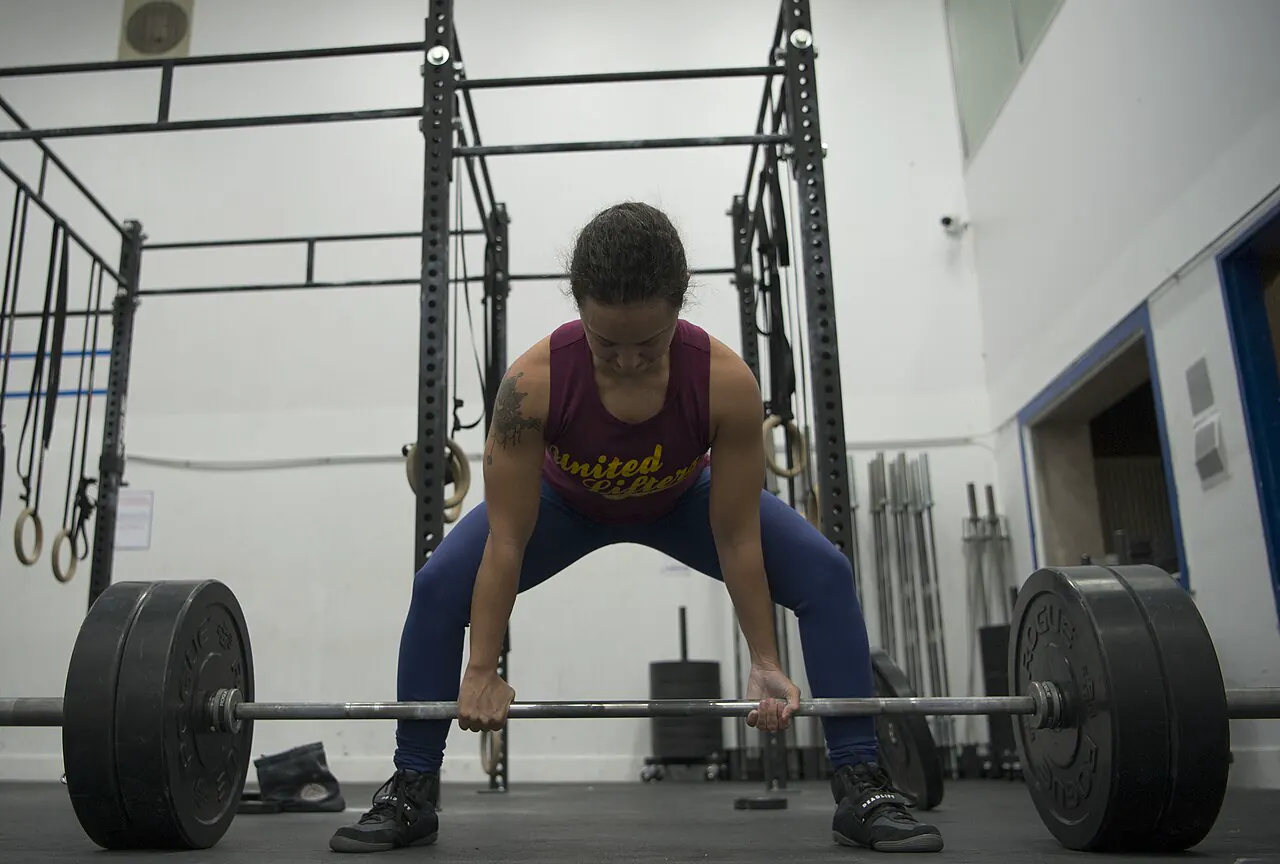
Wrist wraps stiffen the wrist so it bends back less under a bar. Knee sleeves add compression and warmth around the knee. Neither treats pain or guarantees against injury; they change how a joint feels and moves during a lift.
Written for: Lifters doing presses, squats and overhead work who are thinking about wraps or sleeves
Wrist wraps and knee sleeves are often sold as "support," a word that covers a lot. Here is what each one does mechanically, what it does not do, and how to pick one.
Wrist wraps
A wrist wrap is a strip of stiff or stretchy fabric that you wind around your wrist, usually with a thumb loop to start and hook-and-loop to finish. Wound tightly, it limits how far the wrist bends back under a heavy bar in a press or front rack.
- Stiffness: stiffer wraps limit movement more; flexible wraps allow more motion for Olympic lifts and gymnastics.
- Length: longer wraps go around more times and give more stiffness. Short wraps are faster to put on.
- Thumb loop: helps you start the wrap; take it off your thumb before lifting if the instructions say so.
Knee sleeves
A knee sleeve is a tube of neoprene that you pull over the knee. It adds compression and keeps the joint warm. Thicker sleeves, often 7 mm, are stiffer and add a little rebound in the bottom of a squat. Thinner sleeves, often 5 mm, are easier to move in for running, jumping and mixed training.
Knee wraps are different: long elastic strips wound tightly around the knee, mainly used in some powerlifting divisions. They store more elastic energy than a sleeve and are not allowed in every division.
| Wrist wraps | Knee sleeves | |
|---|---|---|
| What it does | Limits wrist extension under load | Compression and warmth around the knee |
| What it does not do | Treat wrist pain or replace good bar position | Treat knee pain or stabilize a damaged knee |
| Main lifts | Bench, overhead press, front squat | Squats, lunges, Olympic lifts |
| Sizing | Length and stiffness; one size fits most | By knee circumference from the maker chart |
| Common materials | Cotton-elastic blends, nylon | Neoprene, 5 or 7 mm |
Wrist wraps vs. lifting straps
These are easy to confuse. Wraps go only around the wrist to make it stiffer. Straps go around the wrist and the bar to help you hold it. Wraps are for pressing; straps are for pulling.
Picks by discipline
- Powerlifting: stiffer, longer wrist wraps for heavy bench presses, and 7 mm knee sleeves for squats. Check the federation equipment list.
- Olympic weightlifting: shorter, more flexible wrist wraps that still allow the wrist to bend in the catch, and sleeves thin enough to reach a deep squat.
- Mixed training with running and jumping: 5 mm sleeves and flexible wraps that come off quickly between movements.
- General gym training: many lifters use neither, or only add wraps for heavy pressing days.
Whatever you choose, practice with the gear on lighter sets first. A stiff wrap or a tight sleeve changes how a lift feels, and it takes a few sessions to get used to the different position and rebound.
How to size and put them on
- Measure the joint For sleeves, measure around the knee where the maker chart says, often at mid-kneecap with the leg straight.
- Read the chart, not your pants size Sleeve sizes vary between makers.
- Expect a tight fit Sleeves should be snug but should not cause numbness, tingling or color change below the knee.
- Wrap wrists over the joint Center the wrap over the wrist joint, not on the forearm, so it actually limits bending.
- Loosen between sets Unwind wrist wraps or loosen them between sets so you are not holding tension longer than needed.
Questions people ask
Do knee sleeves prevent knee injuries?
No piece of gear can promise that. Sleeves add compression and warmth. For knee pain or a past injury, ask a doctor or physical therapist what is right for you.
Should I wear wrist wraps on every set?
Many lifters save them for heavy pressing sets so their wrists still handle lighter loads unaided. A coach can help you decide.
Why are my knee sleeves so hard to get on?
Thick neoprene sleeves are meant to be tight. Some people roll them inside out and unroll them over the knee. If a sleeve cuts off circulation, it is too small.
Can I use knee sleeves for running?
Thin sleeves are more comfortable for running and jumping. Thick sleeves are mostly used for squatting.
Sources
This guide is research-based: it draws on manuals, published specifications and safety guidance, not on hands-on testing. If we link to a retailer, we may earn a commission at no cost to you. Affiliate disclosure