Lifting Accessories
Lifting accessories change how force moves through your hands, wrists, knees or torso. Each one does a narrow job, and buying the wrong width, material or closure is the most common mistake. Start here to learn what each accessory actually does, how to size it, and what competition rules say about it.
- Lane
- 2 of 6
- Product types
- 4
- Guides
- 3
What to compare in lifting accessories
The specs that decide whether a product fits, and the limit people tend to miss.
Weightlifting belts
- Material: leather, suede-lined leather or nylon
- Width: uniform (often 4 in) or tapered at the front
- Thickness: commonly around 10 mm or 13 mm for leather
- Closure: single prong, double prong, lever or hook-and-loop
- Sizing chart based on waist at the navel, not pants size
Watch for: Lever belts are set to one tightness, so changing it means a screwdriver; prong and hook-and-loop belts adjust by hand.
Lifting straps
- Style: lasso (single loop), closed loop, figure-8 or hook
- Material: cotton, nylon or leather
- Strap width and length (longer wraps around thick bars more)
- Padding at the wrist
Watch for: Figure-8 straps lock the hand to the bar and are hard to release quickly, so they suit pulls and holds, not lifts you may need to drop fast.
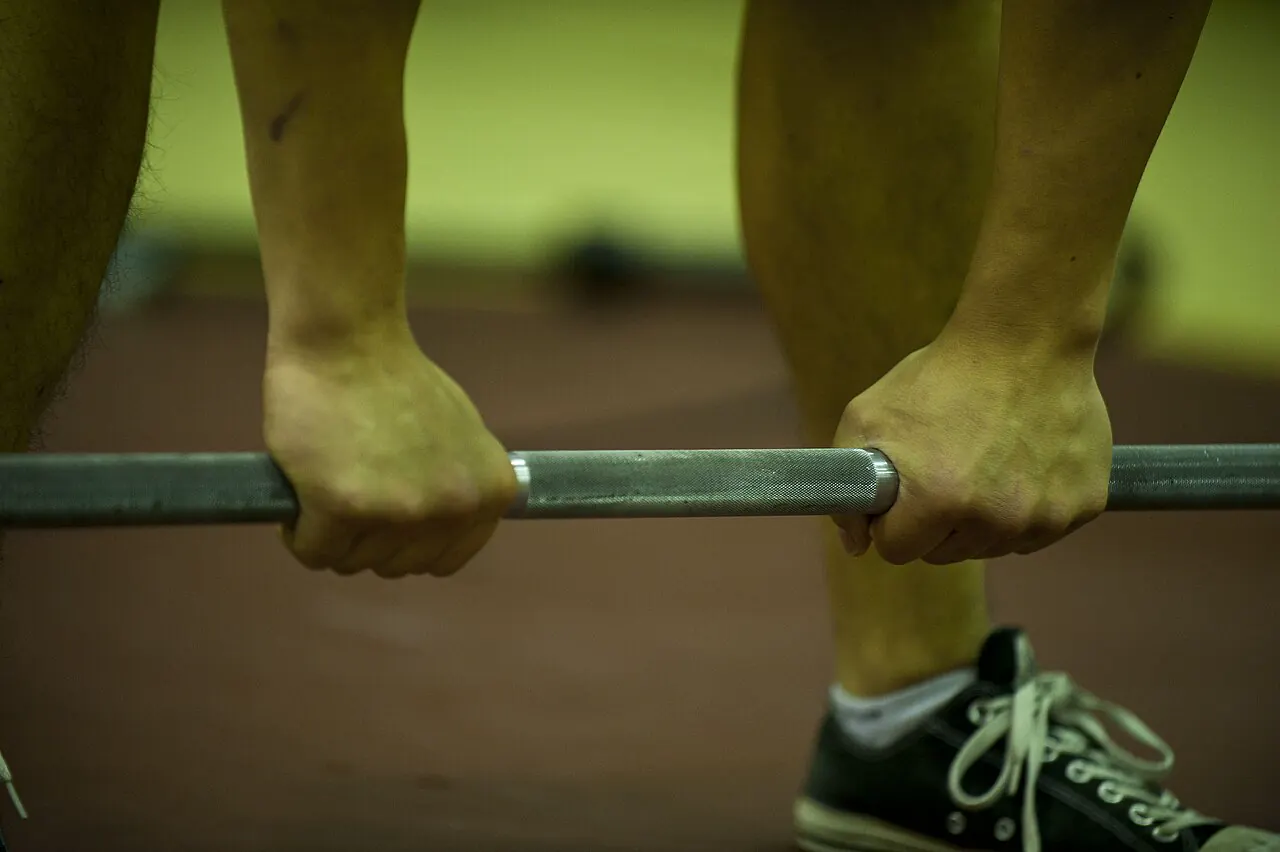
Lifting grips and grip pads
- Coverage: palm pad only, or pad with a tongue that wraps the bar
- Material: neoprene, rubber, leather or synthetic
- Thickness (thicker pads make the bar feel fatter)
- Wrist closure and sizing by hand width
Watch for: Thick pads add effective bar diameter, which can make a grip harder to hold, not easier, for people with smaller hands.
Wrist wraps and knee sleeves
- Wrist wraps: length, stiffness and thumb loop
- Knee sleeves: neoprene thickness (often 5 or 7 mm) and length
- Sizing by wrist or knee circumference from the maker chart
- Federation rules on dimensions if you compete
Watch for: These add support and warmth during a lift; they do not treat pain, and joint pain is a reason to see a clinician.