- TrainVoya
- Gym Bags & Essentials
- Guide 08
Gym Bag Checklist for Lifters: What to Pack and Which Bag Fits It
- Format
- Checklist
- Read
- 6 min
- Updated
- November 18, 2026
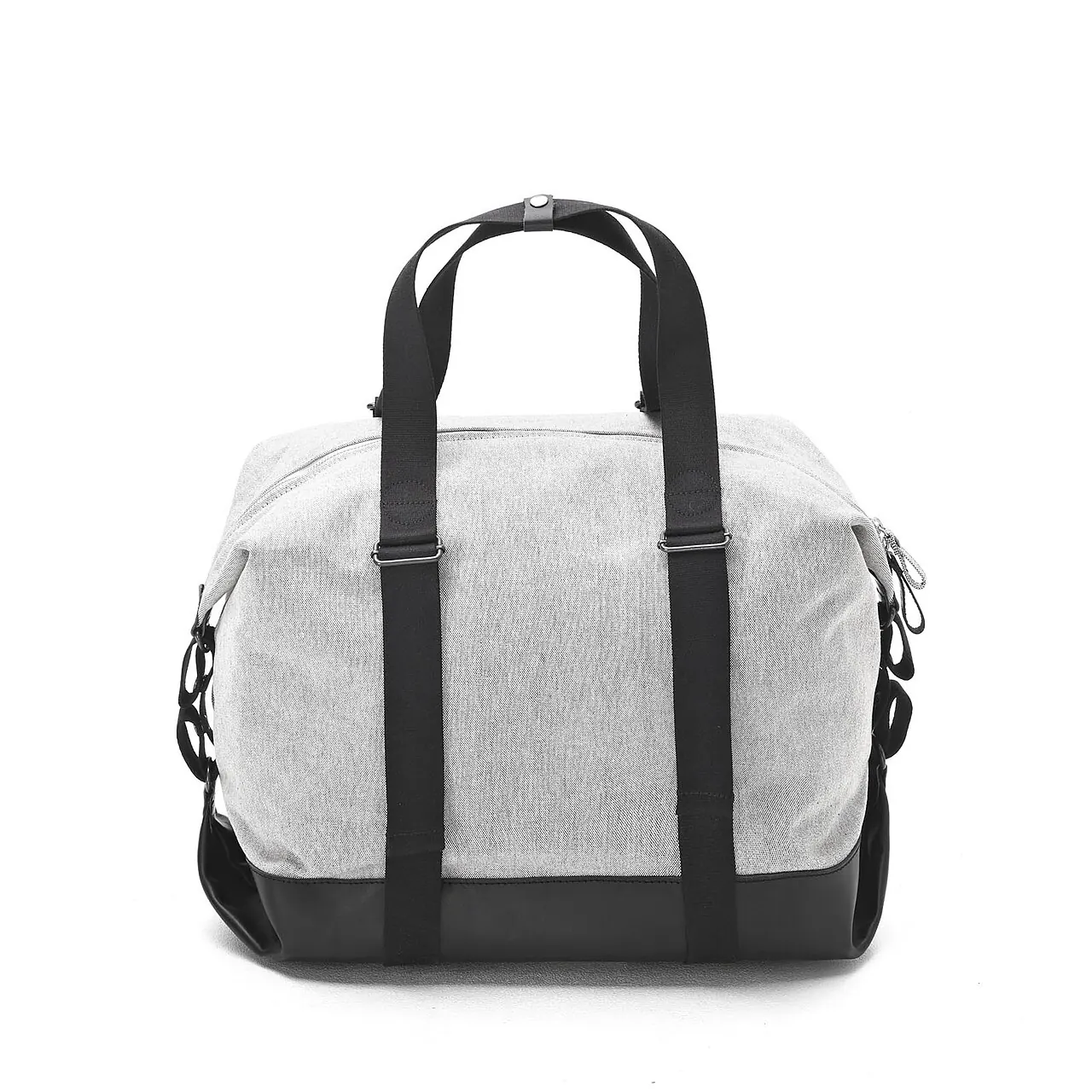
Pack by job: your own towel, lifting shoes, belt, straps or wraps, chalk in a sealed container, water, and a separate pouch for anything damp. Choose the bag after you list the kit, so the belt lies flat or loosely curved and shoes and sweaty gear stay apart from clean clothes.
Written for: People who lift at a commercial gym and carry their own belt, shoes and small accessories
Most gym bags are bought first and filled later. It works better the other way round. Write down what you carry on a normal training day, then pick the bag that holds it without crushing a belt or mixing wet gear with clean clothes.
The lifter's packing list
Every session
0 of 9 packedWorth keeping in a side pocket
0 of 4 packedWhy a few items are your own, not shared
The CDC's advice for athletes on preventing staph and MRSA skin infections is short and practical, and it shapes what belongs in the bag. It says not to share items that touch your skin, naming towels, washcloths, razors and clothing, and not to share bar soap. It also says to shower right after exercise, to clean your hands before and after using shared weight-training equipment, and to cover cuts with clean, dry bandages until they heal.
That is the case for packing your own towel and soap, a few bandages, and a way to carry used clothes home. The CDC says to wash and completely dry your towels and clothing after each use, following the washing and drying instructions on the label.
Duffel or backpack
| Gym duffel | Gym backpack | |
|---|---|---|
| Stiff leather belt | Usually lies flat or in a wide curve along the side | Usually has to be coiled, or strapped outside |
| Lifting shoes | End pocket; look for vents | Bottom or side pocket; check it fits your shoe size |
| Laptop or work items | Rarely padded | Padded sleeve, kept apart from damp gear |
| Access | Wide top opening; everything visible | Top or clamshell; small items sink to the bottom |
| Carrying far | One shoulder; heavy loads pull to one side | Two shoulders; better for walking or cycling |
| Wet gear | Often a side wet pocket | Often none; add a separate wet bag |
How to choose the bag
- Lay the kit out Put everything from the list on the floor, including the belt and shoes. That pile is the volume you need, plus a little room for a jacket.
- Size the main compartment to the belt Compare the belt, lying in a loose curve, with the interior length in the listing. A stiff belt forced into a tight coil can keep that curl.
- Check the shoe pocket Look for stated dimensions and for mesh panels or eyelets. An unvented pocket holds moisture and smell against the rest of the bag.
- Separate wet from dry You need at least one compartment or pouch that keeps used clothes and a damp towel away from clean items and electronics.
- Look at the fabric and base Nylon and polyester wipe clean and dry quickly. A coated or reinforced base copes better with locker-room floors.
- Check the hardware Zippers should run smoothly around corners. Strap anchors should be stitched through webbing rather than only into the fabric shell.
Keeping the bag itself clean
- Empty it the day you train. Sleeves, wraps, towels and shoes left zipped in stay damp.
- One maker of neoprene knee sleeves advises hand washing and air drying, and warns against machine dryers and high heat, so sleeves need time out of the bag to dry.
- Keep chalk in its own sealed container so dust does not work into fabric and zippers.
- Wipe the lining now and then, and wash the bag only as its care label allows.
- Leave the shoe pocket open between sessions.
Questions people ask
What size gym bag do I need for a lifting belt and shoes?
Go by interior length rather than a volume figure alone. Compare the listed interior length with your belt in a loose curve, and check the shoe pocket dimensions against your shoe size.
Should gym shoes go in the same compartment as clothes?
Better not. A separate, vented shoe pocket keeps dirt and moisture away from clean clothes and lets the shoes air between sessions.
Is a backpack or a duffel better for the gym?
A duffel suits a stiff belt and quick access. A backpack suits commuting with a laptop and carrying the load on two shoulders. Many backpacks only take a belt coiled or strapped outside.
Do I really need my own towel?
The CDC advises athletes not to share towels and to wash and fully dry them after each use. Bringing your own is the simple way to follow that.
Sources
This guide is research-based: it draws on manuals, published specifications and safety guidance, not on hands-on testing.As an Amazon Associate we earn from qualifying purchases. Links to Amazon are paid links; they cost you nothing extra. Affiliate disclosure