- TrainVoya
- Gym Bags & Essentials
- Guide 09
Liquid Chalk vs. Block Chalk vs. Chalk Balls
- Format
- Comparison
- Read
- 6 min
- Updated
- November 18, 2026
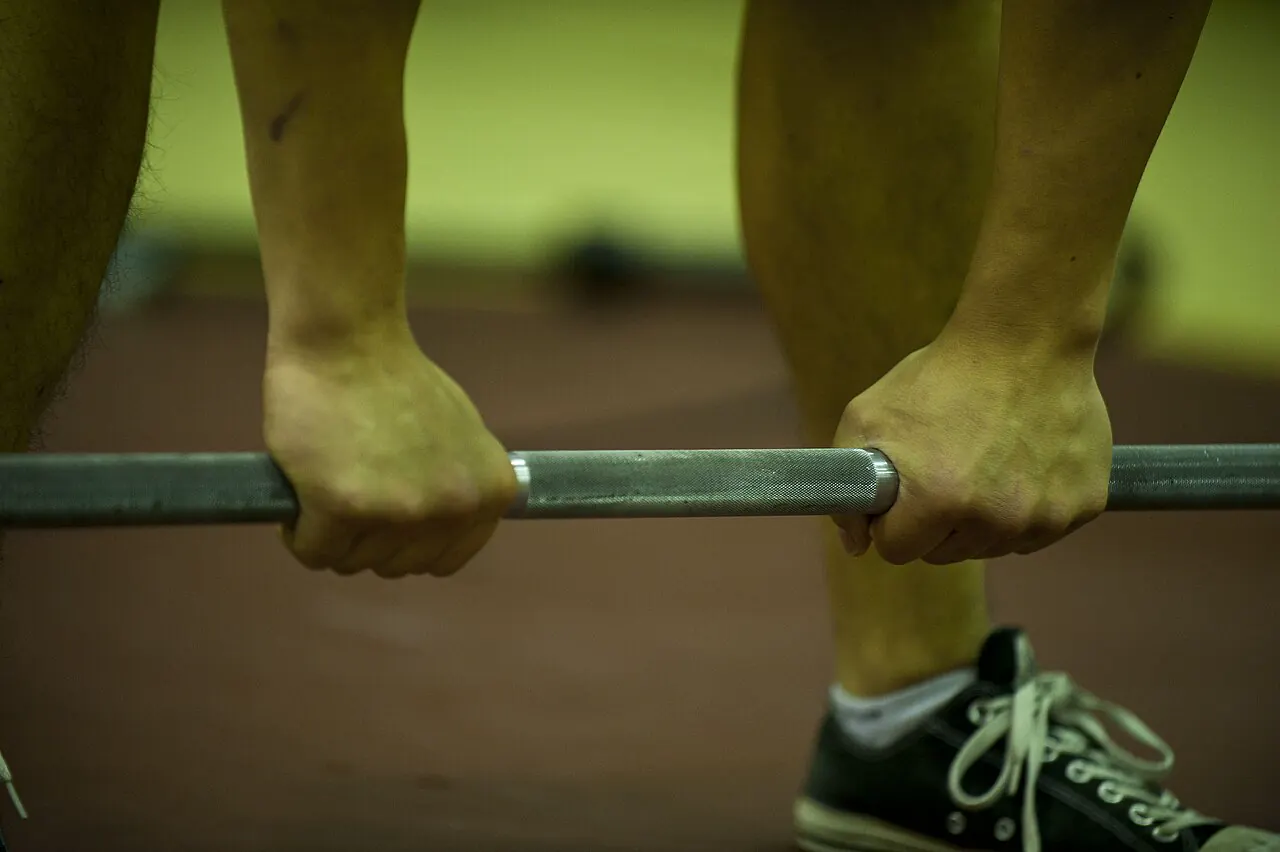
All three put magnesium carbonate on your hands. Block and loose chalk are the simplest and dustiest, chalk balls release less dust, and liquid chalk dries onto the skin with almost no mess. Choose by your gym's rules and how much mess you can carry, not by a promise of more grip.
Written for: Lifters whose hands slip on deadlifts, rows or pull-ups and who are choosing a first chalk
Gym chalk is not blackboard chalk. Powdered lifting chalk is magnesium carbonate, sold to keep sweat from making the bar slippery. It comes in three common forms. They differ far more in mess and convenience than in what ends up on your skin.
The three forms
- Block chalk: pressed bricks that you rub on your hands or crumble into a tub. Once crushed it is loose chalk.
- Chalk ball: loose chalk inside a porous fabric sock. Squeezing it dusts your hands with a thin layer and keeps most of the powder inside.
- Liquid chalk: a paste or lotion. A University of Sheffield paper on grip agents describes it as powdered chalk combined with alcohol and a thickener; the alcohol evaporates and leaves the solid stuck to the skin.
| Block / loose | Chalk ball | Liquid | |
|---|---|---|---|
| What it is | Magnesium carbonate, pressed or crushed | Loose chalk in a fabric sock | Chalk, alcohol and thickener |
| Dust and mess | Most | Less | Least |
| Applying it | Rub or dip; instant | Squeeze and pat; instant | Spread, then wait for it to dry |
| Topping up mid-session | Easy | Easy | Slower; needs drying time again |
| In the bag | Needs a sealed tub | Needs a sealed bag or tub | Capped bottle; can leak if left open |
| Where loose chalk is banned | Not allowed | Sometimes allowed | Often allowed |
| Things to check | Plain chalk, no added scent or color | Refillable, tight weave | Rosin or other additives; cap that seals |
Does chalk actually improve grip?
The research is narrower than the packaging suggests. A small study in the International Journal of Exercise Science had nine volunteers do weight-assisted pull-ups to failure with and without magnesium carbonate; they completed more repetitions with chalk in both an open-handed and a pinch grip.
The Sheffield friction paper is more cautious. On a dry finger against polished steel, powdered chalk lowered friction, which the authors put down to loose particles acting like a lubricant. With a wet finger, the powder-based agents raised friction. Their conclusion is that grip agents should match the moisture in the contact, and that in dry conditions the best grip may come with no agent at all.
In plain terms: chalk earns its place when your hands sweat. A thin layer is the aim. Caking it on adds loose powder between your skin and the bar, which is the situation the friction paper warns about.
What gyms and meets allow
Many commercial gyms restrict loose chalk because of dust on floors and equipment. Ask at the desk before you buy. Chalk balls and liquid chalk are the usual compromises.
For competition, the International Powerlifting Federation rulebook names baby powder, resin, talc and magnesium carbonate as the only substances that may be added to the body and attire, and says they may not be added to wraps. It also forbids applying foreign substances to the bar and other equipment. Other federations write their own rules, so read the one you lift under.
How to choose
- Check the rules where you train If loose chalk is banned, the choice is already between a chalk ball and liquid chalk.
- Think about the bag Loose chalk leaks through zippers. A screw-top tub or a refillable chalk ball in a sealed bag keeps it contained. Liquid chalk needs only a tightly closed cap.
- Read the ingredients Look for magnesium carbonate as the main ingredient. Some liquid chalks add rosin or scent. If you compete, check any additive against your rulebook.
- Consider your skin Chalk is sold to dry the hands, and liquid chalk also carries alcohol. If your hands crack or react, stop using it and ask a pharmacist or doctor.
- Buy a small amount first A single block or a small bottle is enough to learn whether the form suits how you train.
Questions people ask
Is liquid chalk as good as regular chalk?
Both leave chalk on the skin. Liquid chalk is cleaner and slower to apply, since you wait for the alcohol to evaporate. Which grips better for you depends mostly on how much your hands sweat.
Is gym chalk the same as climbing chalk?
Powdered chalk in both sports is magnesium carbonate, and the same forms are used in climbing and weightlifting. Check the ingredient list for additives such as rosin or scent.
Can I use chalk in a powerlifting meet?
The International Powerlifting Federation rulebook lists magnesium carbonate among the substances allowed on the body and attire, but not on wraps. Check the rulebook of the federation you compete in.
How do I stop chalk getting all over my gym bag?
Keep it in a screw-top tub or a chalk ball inside a sealed bag, separate from fabric gear. Liquid chalk in a capped bottle is the cleanest to carry.
Sources
- Carré et al., University of Sheffield — An assessment of the performance of grip enhancing agents used in sports applications (accepted manuscript, PDF)
- Bacon et al., International Journal of Exercise Science — Effect of Magnesium Carbonate Use on Repeated Open-Handed and Pinch Grip Weight-Assisted Pull-Ups
- International Powerlifting Federation — Technical Rulebook, effective 1 March 2026 (personal equipment, section 3; PDF)
This guide is research-based: it draws on manuals, published specifications and safety guidance, not on hands-on testing.As an Amazon Associate we earn from qualifying purchases. Links to Amazon are paid links; they cost you nothing extra. Affiliate disclosure